Beyond the Logo: The Strategic Difference Between Brand Design and Branding
Why your logo is just a tiny piece of the powerful, perception-shaping puzzle.
Insights / The Recipe
Apr 27, 2025

1. The Common Misconception
The world of business is saturated with talk of "brand." Entrepreneurs often approach designers with the urgent request: "I need a brand." The assumption is that a brand is a tangible item—a beautiful logo, a striking website, or a memorable color palette. While these are vital components, they only represent the output of a much deeper, more complex process. If you own a business, you already have a brand; the question is, is it the right one?
We need to clarify the language before we can clarify the strategy. A great brand requires three distinct elements working in harmony: the Brand (the feeling), the Branding (the strategy), and the Brand Design (the visuals). Understanding these differences is the foundation for making a successful investment in your business's future.
2. Defining the Three Pillars
To move forward strategically, we must separate the concept from the action:
The Brand (The Perception): Think of your Brand as your company's reputation and soul. It is the intangible feeling, promise, and expectation that lives in the minds of your customers. You don't get to choose your Brand; it is earned through every interaction—from the quality of your product to how your customer service handles a complaint. A logo doesn't define a brand; consistent action does.
Branding (The Strategy & Action): This is the intentional, continuous process of shaping that perception. Branding is the strategy and the rules. This stage involves deep analytical work: defining your market position, clarifying your core values, establishing your unique selling proposition (U.S.P.), and writing your tone of voice and messaging guidelines. Branding ensures every decision—from product pricing to social media posts—is aligned with the central promise.
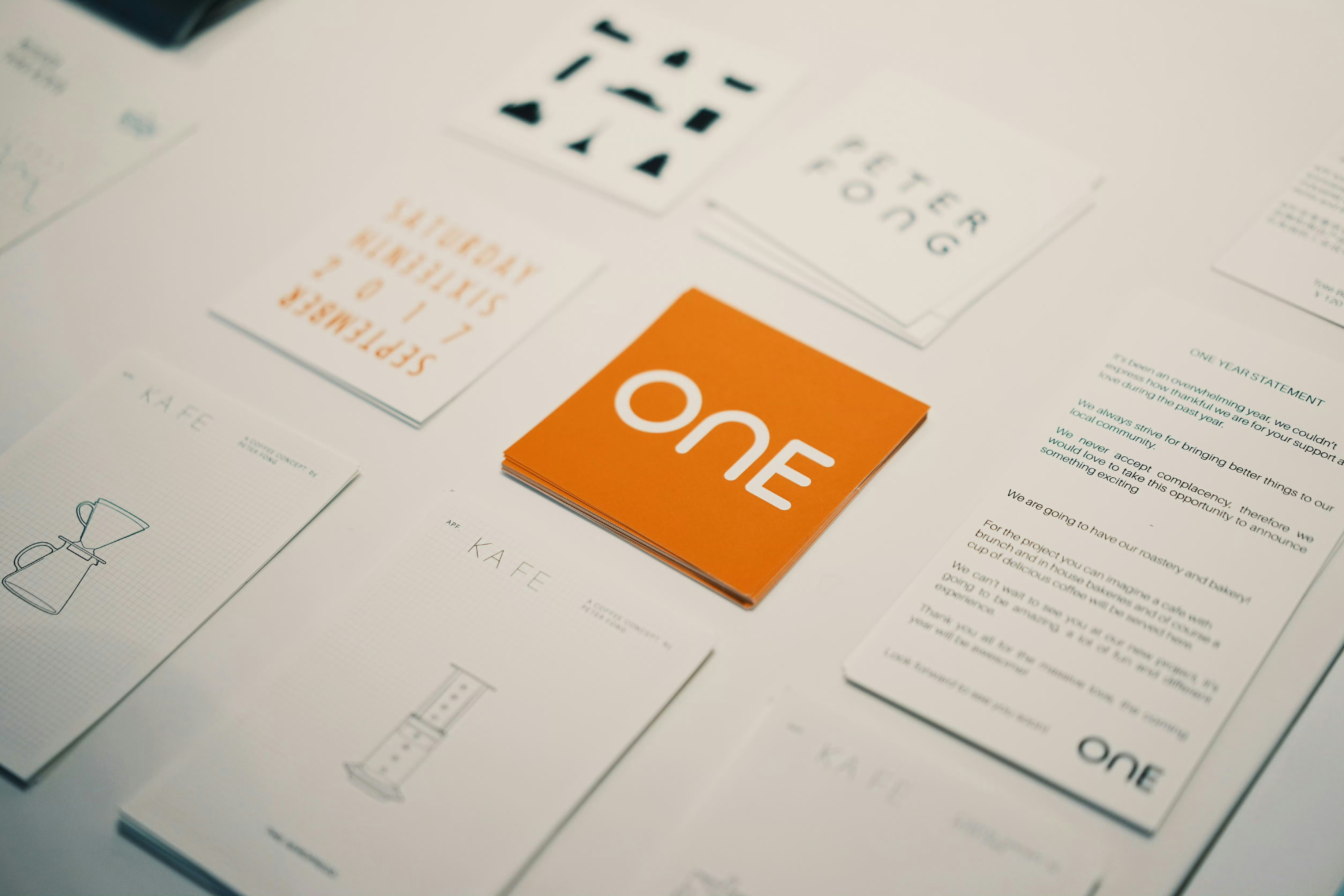
Brand Design (The Visual Execution): This is where I, the Brand Designer, come in. Brand Design is the visual toolkit used to communicate the strategy defined in the Branding phase. It includes your logo system, color palettes, typography, imagery style, and collateral. It gives the intangible Brand a face and ensures that its message is instantly recognizable and memorable across all touchpoints.

3. The Designer as the Translator
A skilled Brand Designer operates as the essential strategic translator. Our role is not merely to make things look good; it is to take the complex, internal strategy (the Branding) and translate it into a simple, beautiful, and functional visual language (the Brand Design).
Without a robust strategy (Branding) in place, the design process becomes subjective, relying on guesswork and personal preferences ("I like blue"). This leads to visuals that look good but ultimately fail to connect with the target audience or align with the company's business goals.
When you hire a designer who understands this dynamic, you ensure that every element of the visual identity—from the bold typography of a headline to the specific shade of a color swatch—is working actively to support your core message and strategic market position. The logo is not the start of the conversation; it is the visual summary of the entire strategic groundwork that preceded it.

4. Making Your Investment Strategic
If you are looking for long-term growth and market authority, your investment must start at the foundation:
Audit Your Brand: Start by honestly assessing your current reputation. What are people really saying about you?
Define Your Strategy (Branding): Work with a strategist to finalize your mission, values, and market positioning. This defines who you are and where you are going.
Execute the Design (Brand Design): Bring in the Brand Designer to build the visual system that makes your strategy sing.
The cost of designing a logo is far outweighed by the cost of having a confusing, inconsistent, or off-target Brand. By understanding the strategic difference between Brand Design and Branding, you ensure your next visual identity is not just attractive, but powerful, consistent, and built for market impact.

More to Discover


Beyond the Logo: The Strategic Difference Between Brand Design and Branding
Why your logo is just a tiny piece of the powerful, perception-shaping puzzle.
Insights / The Recipe
Apr 27, 2025
1. The Common Misconception
The world of business is saturated with talk of "brand." Entrepreneurs often approach designers with the urgent request: "I need a brand." The assumption is that a brand is a tangible item—a beautiful logo, a striking website, or a memorable color palette. While these are vital components, they only represent the output of a much deeper, more complex process. If you own a business, you already have a brand; the question is, is it the right one?
We need to clarify the language before we can clarify the strategy. A great brand requires three distinct elements working in harmony: the Brand (the feeling), the Branding (the strategy), and the Brand Design (the visuals). Understanding these differences is the foundation for making a successful investment in your business's future.
2. Defining the Three Pillars
To move forward strategically, we must separate the concept from the action:
The Brand (The Perception): Think of your Brand as your company's reputation and soul. It is the intangible feeling, promise, and expectation that lives in the minds of your customers. You don't get to choose your Brand; it is earned through every interaction—from the quality of your product to how your customer service handles a complaint. A logo doesn't define a brand; consistent action does.
Branding (The Strategy & Action): This is the intentional, continuous process of shaping that perception. Branding is the strategy and the rules. This stage involves deep analytical work: defining your market position, clarifying your core values, establishing your unique selling proposition (U.S.P.), and writing your tone of voice and messaging guidelines. Branding ensures every decision—from product pricing to social media posts—is aligned with the central promise.
Brand Design (The Visual Execution): This is where I, the Brand Designer, come in. Brand Design is the visual toolkit used to communicate the strategy defined in the Branding phase. It includes your logo system, color palettes, typography, imagery style, and collateral. It gives the intangible Brand a face and ensures that its message is instantly recognizable and memorable across all touchpoints.
3. The Designer as the Translator
A skilled Brand Designer operates as the essential strategic translator. Our role is not merely to make things look good; it is to take the complex, internal strategy (the Branding) and translate it into a simple, beautiful, and functional visual language (the Brand Design).
Without a robust strategy (Branding) in place, the design process becomes subjective, relying on guesswork and personal preferences ("I like blue"). This leads to visuals that look good but ultimately fail to connect with the target audience or align with the company's business goals.
When you hire a designer who understands this dynamic, you ensure that every element of the visual identity—from the bold typography of a headline to the specific shade of a color swatch—is working actively to support your core message and strategic market position. The logo is not the start of the conversation; it is the visual summary of the entire strategic groundwork that preceded it.
4. Making Your Investment Strategic
If you are looking for long-term growth and market authority, your investment must start at the foundation:
Audit Your Brand: Start by honestly assessing your current reputation. What are people really saying about you?
Define Your Strategy (Branding): Work with a strategist to finalize your mission, values, and market positioning. This defines who you are and where you are going.
Execute the Design (Brand Design): Bring in the Brand Designer to build the visual system that makes your strategy sing.
The cost of designing a logo is far outweighed by the cost of having a confusing, inconsistent, or off-target Brand. By understanding the strategic difference between Brand Design and Branding, you ensure your next visual identity is not just attractive, but powerful, consistent, and built for market impact.
More to Discover
Beyond the Logo: The Strategic Difference Between Brand Design and Branding
Why your logo is just a tiny piece of the powerful, perception-shaping puzzle.
Insights / The Recipe
Apr 27, 2025
1. The Common Misconception
The world of business is saturated with talk of "brand." Entrepreneurs often approach designers with the urgent request: "I need a brand." The assumption is that a brand is a tangible item—a beautiful logo, a striking website, or a memorable color palette. While these are vital components, they only represent the output of a much deeper, more complex process. If you own a business, you already have a brand; the question is, is it the right one?
We need to clarify the language before we can clarify the strategy. A great brand requires three distinct elements working in harmony: the Brand (the feeling), the Branding (the strategy), and the Brand Design (the visuals). Understanding these differences is the foundation for making a successful investment in your business's future.
2. Defining the Three Pillars
To move forward strategically, we must separate the concept from the action:
The Brand (The Perception): Think of your Brand as your company's reputation and soul. It is the intangible feeling, promise, and expectation that lives in the minds of your customers. You don't get to choose your Brand; it is earned through every interaction—from the quality of your product to how your customer service handles a complaint. A logo doesn't define a brand; consistent action does.
Branding (The Strategy & Action): This is the intentional, continuous process of shaping that perception. Branding is the strategy and the rules. This stage involves deep analytical work: defining your market position, clarifying your core values, establishing your unique selling proposition (U.S.P.), and writing your tone of voice and messaging guidelines. Branding ensures every decision—from product pricing to social media posts—is aligned with the central promise.
Brand Design (The Visual Execution): This is where I, the Brand Designer, come in. Brand Design is the visual toolkit used to communicate the strategy defined in the Branding phase. It includes your logo system, color palettes, typography, imagery style, and collateral. It gives the intangible Brand a face and ensures that its message is instantly recognizable and memorable across all touchpoints.
3. The Designer as the Translator
A skilled Brand Designer operates as the essential strategic translator. Our role is not merely to make things look good; it is to take the complex, internal strategy (the Branding) and translate it into a simple, beautiful, and functional visual language (the Brand Design).
Without a robust strategy (Branding) in place, the design process becomes subjective, relying on guesswork and personal preferences ("I like blue"). This leads to visuals that look good but ultimately fail to connect with the target audience or align with the company's business goals.
When you hire a designer who understands this dynamic, you ensure that every element of the visual identity—from the bold typography of a headline to the specific shade of a color swatch—is working actively to support your core message and strategic market position. The logo is not the start of the conversation; it is the visual summary of the entire strategic groundwork that preceded it.
4. Making Your Investment Strategic
If you are looking for long-term growth and market authority, your investment must start at the foundation:
Audit Your Brand: Start by honestly assessing your current reputation. What are people really saying about you?
Define Your Strategy (Branding): Work with a strategist to finalize your mission, values, and market positioning. This defines who you are and where you are going.
Execute the Design (Brand Design): Bring in the Brand Designer to build the visual system that makes your strategy sing.
The cost of designing a logo is far outweighed by the cost of having a confusing, inconsistent, or off-target Brand. By understanding the strategic difference between Brand Design and Branding, you ensure your next visual identity is not just attractive, but powerful, consistent, and built for market impact.